
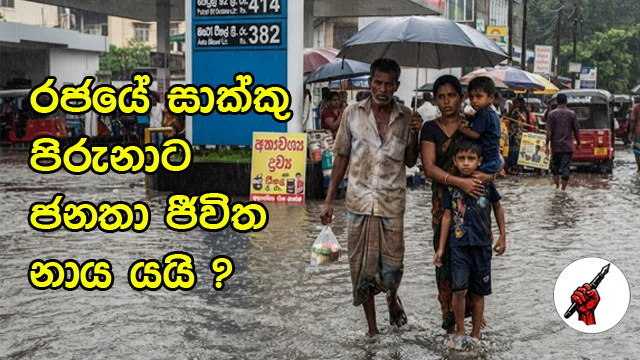
ශ්රී ලංකා ආර්ථිකයේ සාර්ව දර්ශක සහ රජයේ ආදායම් වාර්තාගත ලෙස ඉහළ යමින් පවතින බව නිල දත්ත පෙන්වා දුන්නද, එහි සැබෑ සහනය සාමාන්ය ජනතාවගේ මුදල් පසුම්බිය වෙත ගලා නොයෑම බරපතළ සමාජයීය හා ආර්ථික අර්බුදයක් නිර්මාණය කරමින් තිබේ. බදු බර, ජීවන වියදම සහ ස්වභාවික විපත් හමුවේ පොදු ජනතාව අන්ත අසරණ වී සිටින ආකාරය පිළිබඳව මාධ්යවේදියෙකුගේ ඇසින් තැබෙන විශේෂ විමසුමකි.
ඉන්ධන මිල “නොවෙනස්” වුවත් බිඳවැටුණු ජන ජීවිතයට සහනයක් කෝ?
ලංකා ඛනිජ තෙල් නීතිගත සංස්ථාව (CPC) විසින් අගෝස්තු මාසය සඳහා ඉන්ධන මිල සංශෝධනයක් නොකර මිල ගණන් ස්ථාවරව තබා ගැනීමට තීරණය කර ඇත. කෙසේ වෙතත්, දැනට පවතින ඉහළ මිල ගණන් එලෙසම පැවතීම (පෙට්රල් 92 ඔක්ටේන් ලීටරයක් රු. 414 ක් සහ ඔටෝ ඩීසල් ලීටරයක් රු. 382 ක්) සාමාන්ය මෝටර් රථ හිමියන්ට මෙන්ම ප්රවාහන අංශයට ද දිගින් දිගටම දරාගත නොහැකි බරක් වී තිබේ. මිල අඩු නොවීම හේතුවෙන් එදිනෙදා ධාවන කටයුතු සහ අත්යවශ්ය භාණ්ඩ ප්රවාහන පිරිවැය තවදුරටත් ඉහළ මට්ටමක පවතී.
6.5% උද්ධමනය සහ බිලියන 2,954 ක රජයේ ආදායම
පාරිභෝගිකයා තවදුරටත් අගාධයට ඇද දමමින් රටේ සමස්ත උද්ධමන අනුපාතිකය 6.5% දක්වා ඉහළ ගොස් ඇත. මෙයින් අදහස් කරන්නේ වෙළඳපොළේ භාණ්ඩ හා සේවා මිල ගණන් දිනෙන් දින ඉහළ යන නමුත් ජනතාවගේ මාසික ආදායම එක තැන පල්වන බවයි.
අනෙක් අතට, වසරේ මුල් මාස හය තුළ රජයේ සමස්ත ආදායම රුපියල් බිලියන 2,954.2 ක් දක්වා ඉහළ ගොස් ඇති බව බලධාරීන් උදම් අනයි. මහජනතාවගෙන් සූරාකන වැට් (VAT) ඇතුළු අධික බදු මුදල්වලින් රජයේ සාක්කුව පිරී ඉතිරී ගියද, ඉන් ජනතාවට ලැබුණු සෘජු සුභසාධනයක් හෝ සහනයක් නොමැති වීම ඛේදවාචකයකි.
කාලගුණ සහ සෞඛ්ය මාරයා මැද තනිවුණු ජනතාව
මෙම ආර්ථික මිරිකීමට අමතරව, අද දිනයේ පවතින දේශගුණික සහ සෞඛ්ය තත්ත්වයන් ජන ජීවිතය තවදුරටත් අඩාල කර ඇත:
මහා වැසි සහ ගංවතුර: මිලිමීටර් 100 ඉක්මවන තද වැසි සහ කැළණි ගඟේ සුළු ගංවතුර අවදානම හේතුවෙන් එදිනෙදා කුලී වැඩක් කර ජීවත් වන අවිධිමත් අංශයේ සේවකයන්ට තම දෛනික රැකියා සහ නිවාස අහිමි වෙමින් පවතී.
ඩෙංගු වසංගතය: රට පුරා ඩෙංගු රෝගීන් සංඛ්යාව 81,000 ඉක්මවා ගොස් තිබේ. රජයට බිලියන ගණනින් ආදායම් ලැබුණ ද, රෝහල්වල පවතින ඖෂධ හිඟය සහ පහසුਕම් අවම වීම හේතුවෙන් රෝගාතුර වන සාමාන්ය වැසියන්ට පුද්ගලික රෝහල් වෙත ගොස් ණය වීමට සිදුව ඇත.
පුරෝගාමියාගේ සටහන:
රජයේ ආදායම් වාර්තා සහ සංඛ්යාලේඛන කොතරම් සාර්ථක ලෙස පෙනුනද, රටේ සැබෑ දර්ශකය වන්නේ පොදු ජනතාවගේ කුස්සියයි. මිල පාලනයක් නැති ආර්ථිකයත්, පාලනයෙන් තොර දේශගුණික විපර්යාසත් මැද අද දවසේ ලාංකික ජනතාව මුහුණ දී සිටින්නේ “ජීවත් වීමේ අරගලයකට” ය. රජයේ ආදායම් ඉහළ ගියද ඉන් පොදු ජනයාට සහනයක් නොලැබෙන්නේ මන්ද යන්න පාලකයන්ගෙන් දැඩිව ප්රශ්න කළ යුතුව ඇත.
When State Pockets Overflow, Ordinary Lives Plunge into the Abyss: Will the Daily Struggle of Sri Lankans Collapse Amid Inflation and Fuel Crises?
Although official data shows that macroeconomic indicators and government revenues in Sri Lanka are rising to record levels, the failure of this genuine relief to trickle down to ordinary citizens’ wallets is creating a severe socio-economic crisis. This is a special review from a journalist’s perspective on how the general public is left utterly helpless amid a crushing tax burden, the high cost of living, and natural disasters.
Fuel Prices “Unchanged,” But Where is the Relief for Broken Livelihoods?
The Ceylon Petroleum Corporation (CPC) has decided to keep fuel prices stable without any revision for the month of August. However, the continuation of these high prices (Petrol Octane 92 at Rs. 414 and Auto Diesel at Rs. 382) remains an unbearable burden for average car owners and the transport sector alike. With no reduction in prices, day-to-day operations and essential goods transport costs continue to remain at peak levels.
6.5% Inflation and Rs. 2,954 Billion Government Revenue
Pushing consumers further into the abyss, the country’s overall inflation rate has risen to 6.5%. This means that while market prices for goods and services are climbing day by day, the monthly income of the people remains stagnant.
On the other hand, authorities boast that the government’s total revenue surged to Rs. 2,954.2 billion during the first six months of the year. It is a tragedy that even though the state’s pockets are overflowing with heavy taxes like VAT extracted from the public, there is no direct welfare or relief handed back to the people.
Left Alone Amid Weather and Health Disasters
Adding to this economic squeeze, prevailing climatic and health conditions today have further crippled civilian life:
Heavy Rains and Floods: Heavy rains exceeding 100 millimeters and the minor flood risk in the Kelani River are costing informal sector workers—who earn a daily wage—their daily jobs and homes.
Dengue Epidemic: The number of dengue patients across the country has exceeded 81,000. Despite the government receiving billions in revenue, medicine shortages and minimal facilities in state hospitals are forcing ailing ordinary citizens to visit private hospitals and fall into debt.
Purogamiya’s Note:
No matter how successful government revenue reports and statistics look, the true economic indicator of a country is the kitchen of the ordinary citizen. Amid an unregulated economy and uncontrollable climate change, the Sri Lankan public today is facing a fierce “struggle for survival.” We must strongly question the rulers: why is it that even when state revenues soar, ordinary people receive no relief?


Be the first to comment